The report highlights that the conflict involving Iran increased global inflationary pressures, mainly due to rising oil and energy prices. Even with high inflation, the Brazilian Central Bank reduced the Selic interest rate from 15% to 14.5%, although markets still expect high interest rates throughout 2026. In addition, expectations indicate that the U.S. dollar may remain close to R$5.00, directly influencing domestic prices and inflation control.
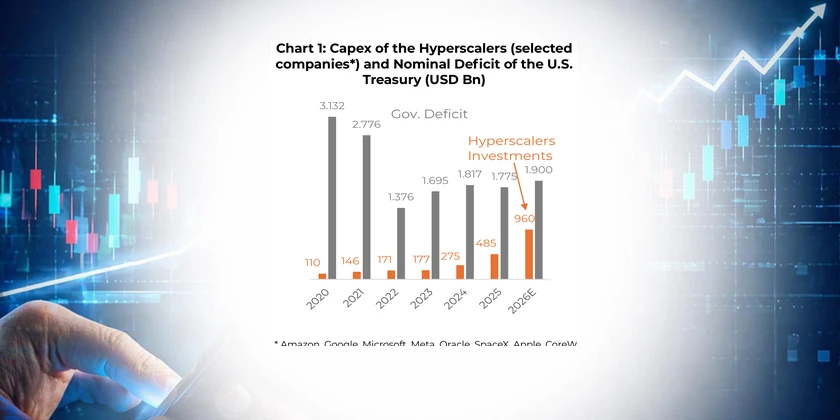
In the United States, 115,000 jobs were created in April 2026, demonstrating economic resilience. At the same time, U.S. public debt surpassed 100% of GDP, reaching the highest level since 1945. In Brazil, the trade balance recorded a US$10.5 billion surplus, mainly driven by soybean and oil exports. Chinese investment in the country also increased significantly, focusing on mining, electric vehicles, and infrastructure.
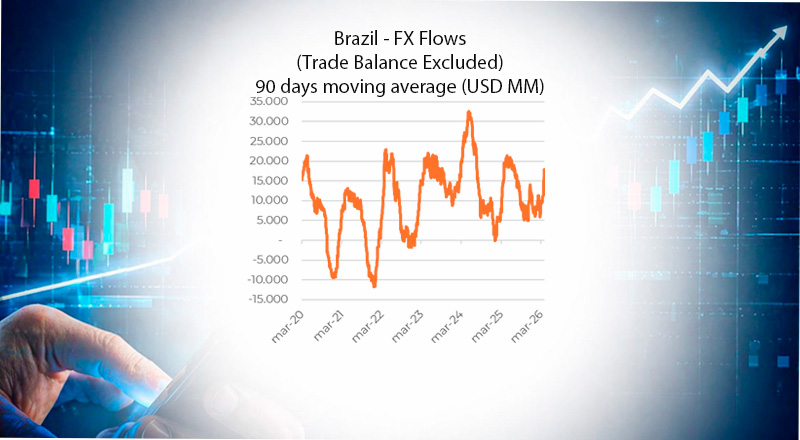
Financial markets showed strong volatility. Brent oil accumulated gains of more than 66% during the year, while gold and silver prices also rose due to geopolitical uncertainties. The Ibovespa declined during the analyzed period despite significant foreign capital inflows into the Brazilian stock market. Meanwhile, the Brazilian real appreciated against the dollar, reaching approximately R$4.89.
The report also shows growth in Brazilian industry, especially in the automotive and home appliance sectors. In addition, Brazil expanded investments in logistics, energy, and biofuels, with corn ethanol gaining international relevance as a sustainable alternative for maritime transport and aviation. On the other hand, soybean producers face challenges due to expensive credit, high costs, and climate risks associated with La Niña.
Economic projections for 2026 indicate moderate Brazilian GDP growth, inflation close to 5%, interest rates around 13%, and public debt rising above 81% of GDP.
Real Segue Apreciando com Forte Entrada de Capital Externo translate
“Brazilian Real Continues to Appreciate with Strong Foreign Capital Inflows”