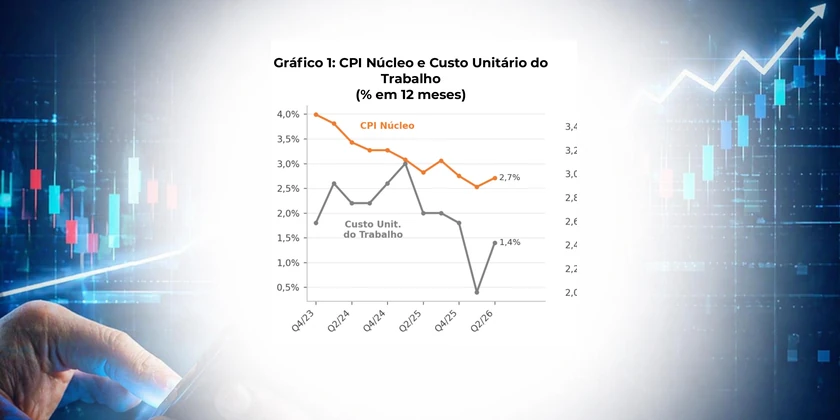
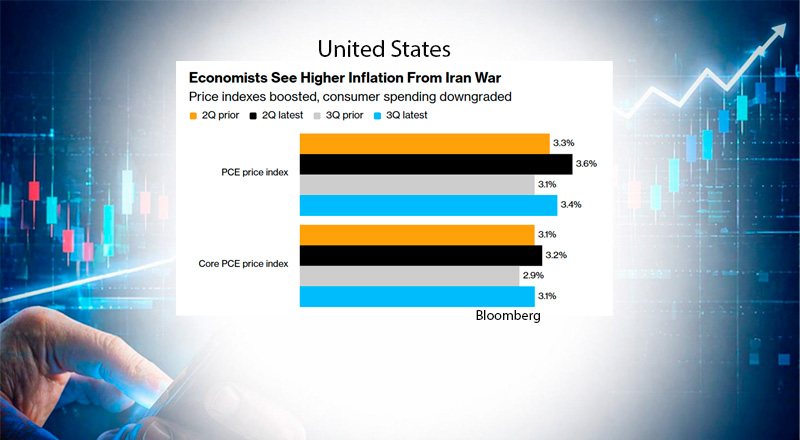
The material explores the macroeconomic scenario under the assumption of easing tensions in the Middle East, with oil stabilizing between USD 80 and USD 90 per barrel over the next six months. Despite partial normalization, the shock generates persistent impacts on inflation — including core measures — and on growth, with ambiguous implications for monetary policy.
In the US and the UK, sticky inflation is likely to prevent interest rate cuts in the near term, while Europe and Japan may move toward monetary easing amid weaker demand pressures.
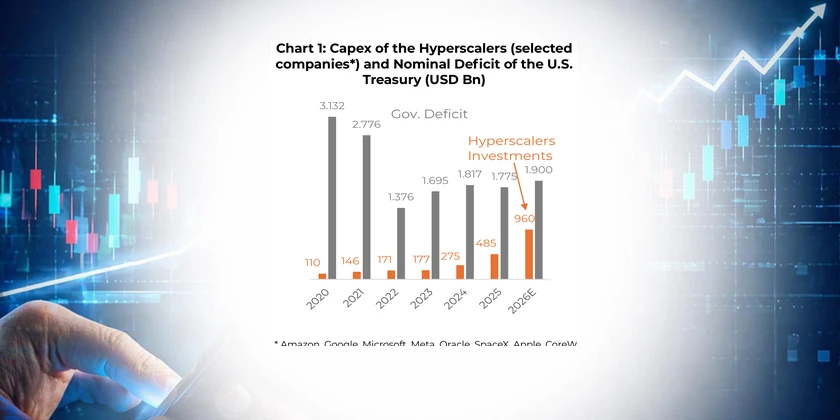
The global economy and financial assets continue to be supported by structural factors, particularly the technological revolution associated with artificial intelligence, favoring equity markets.
In Brazil, the country benefits as a net oil exporter, with positive effects on the trade balance and fiscal revenues. There is also an expectation of currency appreciation driven by capital inflows and the external environment.
The domestic backdrop is marked by political risks, with the market anticipating a potential change in government and fiscal adjustment next year. Concerns about fiscal populism and a reversal of expectations remain.
Additionally, high indebtedness and elevated interest rates constrain growth and weigh on economic sustainability.
Asset performance shows a recent recovery, but remains conditional on the macroeconomic and political environment.