Short Term Shock With Long Term Consequences

Download File
Reading time: < 1 minute
Tempo de leitura: < 1 minuto

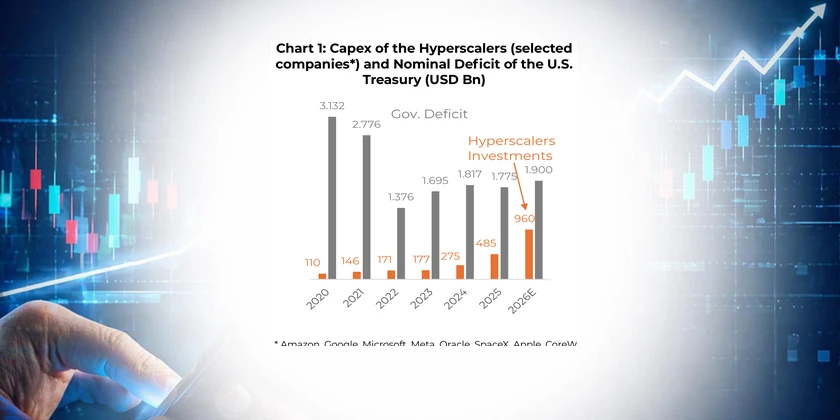
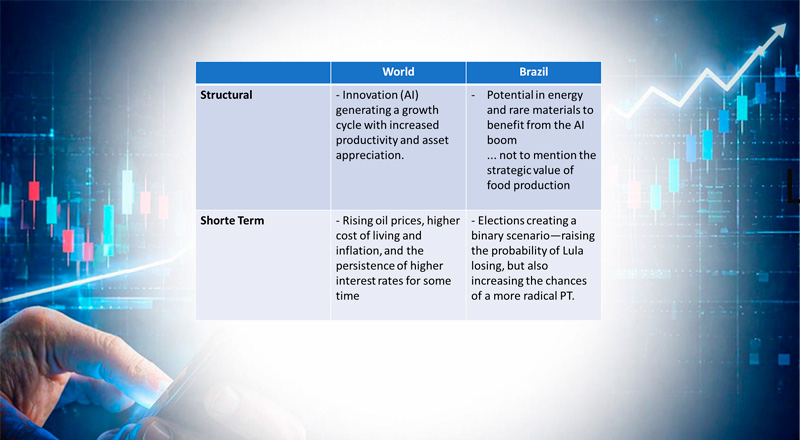
The current macro environment mixes strong structural drivers with adverse short-term shocks.
Globally, AI is fueling a productivity-driven growth cycle, supporting asset valuations.

However, rising oil prices are pushing inflation higher and keeping interest rates elevated.

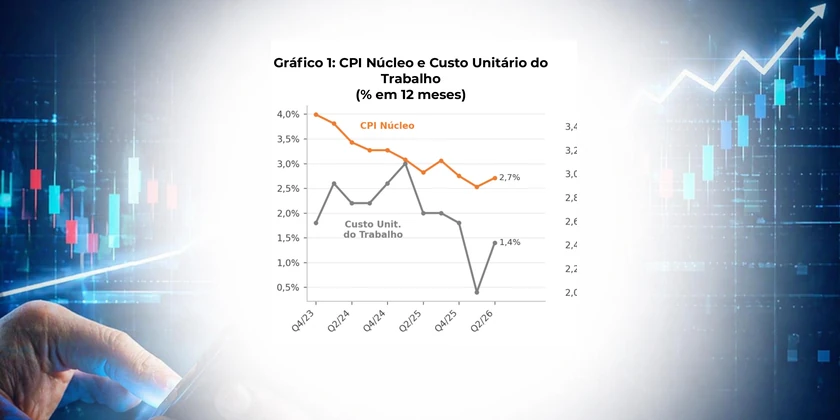
In the U.S., inflation was already persistent, with additional risks from supply shocks.
As a result, there is little room for rate cuts in 2026.

In Brazil, despite structural strengths in commodities and energy, inflation and high rates remain key constraints.

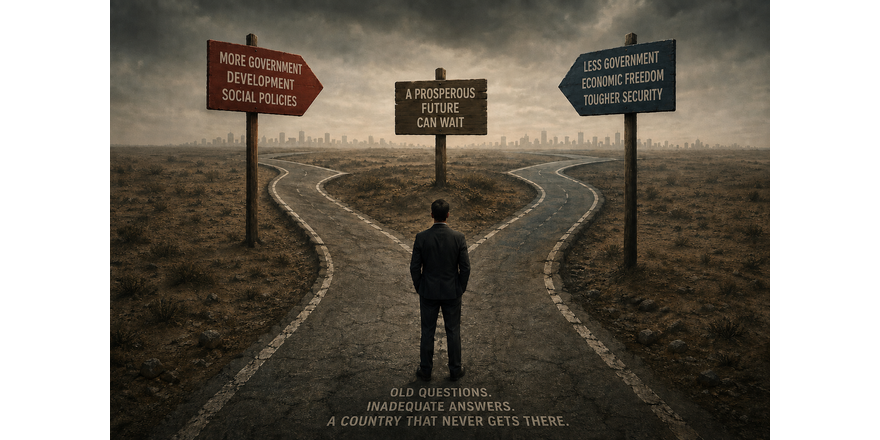
The political backdrop is increasingly polarized, pessimistic, and prone to radicalization risks.
Economic confidence is also weakened by rising violence, corruption, and institutional concerns.

The growth model appears unsustainable, relying on fiscal expansion and credit amid tight monetary policy.
This has led to higher indebtedness, delinquency, and a more cautious outlook for investments.
Leave a Reply

Your email address will not be published. Required fields are marked *

The hidden game of the market that few dare to expose.

Discover how influence and manipulation shape decisions every day — and learn to see what most overlook.

Newsletter Market Cruncher

Get strategic market insights delivered straight to your inbox.

Stay Informed

Related Articles

Oil Shock and Inflation: Brazil x US

A persistently expansionary fiscal stance, a tighter output gap, and, above all, a monetary policy framework characterized by lower credibility help explain why 10-year inflation expectations have risen more sharply and remained more persistent in Brazil than in the United States.

Oil Prices Retreat – Inflation Expected to Turn Temporarily Negative – Pezco Monthly Review

The recent decline in oil prices and a broad range of industrial input costs may contribute to a gradual disinflationary process over the coming months, particularly in advanced economies.

Museum of Old Ideas (by Tatiana Pinheiro)

The arithmetic is straightforward. The politics are not. The adjustment required to stabilize public debt is substantial. The most frequently discussed proposals in Brazil's fiscal debate are well known and have been debated by governments across the political spectrum, underscoring the difficulty of translating technical solutions into political reality.

Newsletter Market Cruncher

Receive strategic market insights directly to your email.

Market Cruncher uses your contact information to send you relevant content.
You can unsubscribe at any time.