Short Term Shock With Long Term Consequences

Download File
Reading time: < 1 minute
Tempo de leitura: < 1 minuto

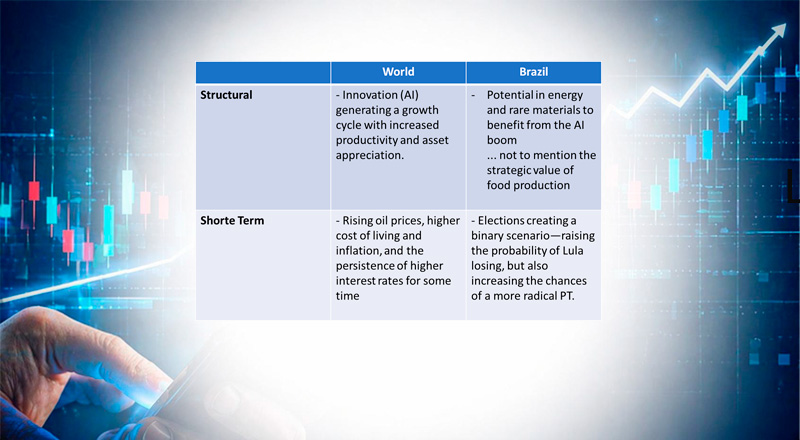
The current macro environment mixes strong structural drivers with adverse short-term shocks.
Globally, AI is fueling a productivity-driven growth cycle, supporting asset valuations.

However, rising oil prices are pushing inflation higher and keeping interest rates elevated.

In the U.S., inflation was already persistent, with additional risks from supply shocks.
As a result, there is little room for rate cuts in 2026.

In Brazil, despite structural strengths in commodities and energy, inflation and high rates remain key constraints.

The political backdrop is increasingly polarized, pessimistic, and prone to radicalization risks.
Economic confidence is also weakened by rising violence, corruption, and institutional concerns.

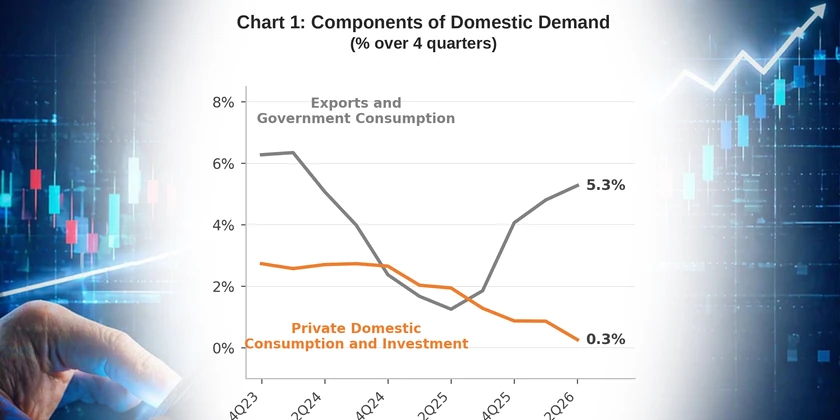
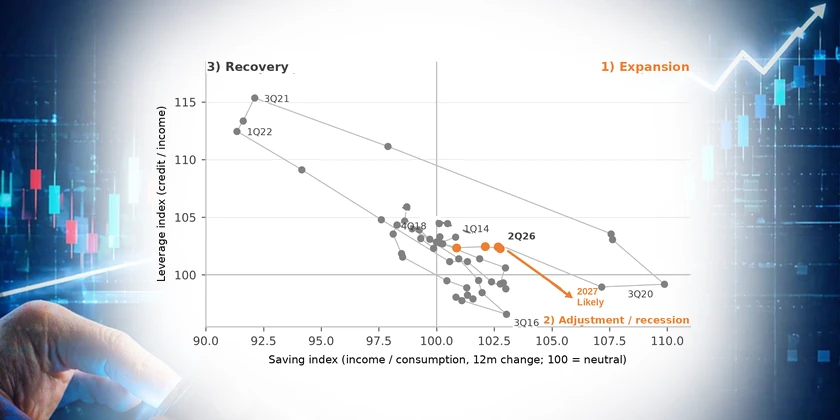
The growth model appears unsustainable, relying on fiscal expansion and credit amid tight monetary policy.
This has led to higher indebtedness, delinquency, and a more cautious outlook for investments.

Leave a Reply

Your email address will not be published. Required fields are marked *

The hidden game of the market that few dare to expose.

Discover how influence and manipulation shape decisions every day — and learn to see what most overlook.

Newsletter Market Cruncher

Get strategic market insights delivered straight to your inbox.

Stay Informed

Related Articles

Foreign Currency Reserves: Use With Care

We argue here that, far more than serving as a liquidity backstop for periods of dysfunction in the foreign-exchange market, reserves have the primary function of signaling that the country is able to generate foreign currency to honor its external commitments.

When Deleveraging Leads to Recession

The reversal of the downward trend in unemployment, the rise in inflation expected for next year (constraining any credible monetary-policy easing), low confidence in the private sector and further tightening of credit-granting standards suggest that a relevant part of the adjustment will come through a combination of higher default and contracting consumption.

2027 Will Be a Very Difficult Year

The slowdown in domestic demand is already under way and tends to deepen in 2027. Cyclical sectors, credit, interest rates, the fiscal adjustment and the labor market all point to much weaker domestic demand next year.

Newsletter Market Cruncher

Receive strategic market insights directly to your email.

Market Cruncher uses your contact information to send you relevant content.
You can unsubscribe at any time.